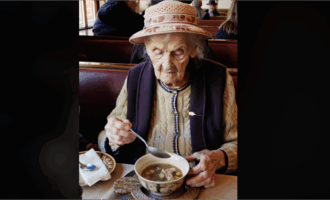
Diving deeper into the fascinating Swedish tradition of leaving windows uncovered, one finds a cultural tapestry woven with historical significance and practical wisdom, setting it apart from norms observed in other parts of the world. Sweden is renowned for its values of openness and transparency, principles that permeate even the smallest aspects of daily life, such as the absence of curtains on windows.
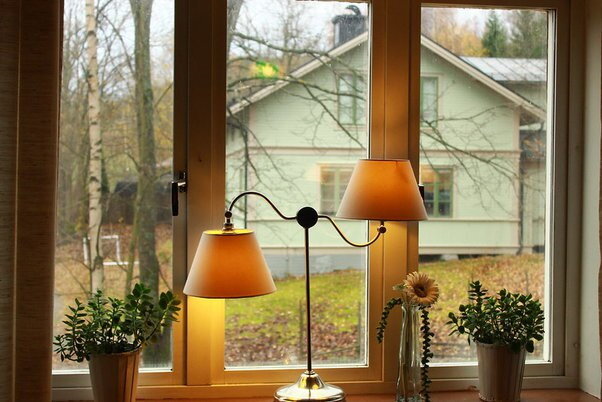
The roots of this tradition extend far back into the annals of history, reaching as far as the 17th century when a law was enacted prohibiting the use of window curtains. This law was instituted to foster societal transparency, allowing every citizen to easily observe their neighbors’ lives and trust in their honesty. Additionally, the royal guard was granted the authority to conduct inspections by peering through windows, ensuring order and compliance. This legislative backdrop laid the foundation for a culture of openness that became deeply ingrained in Swedish society.
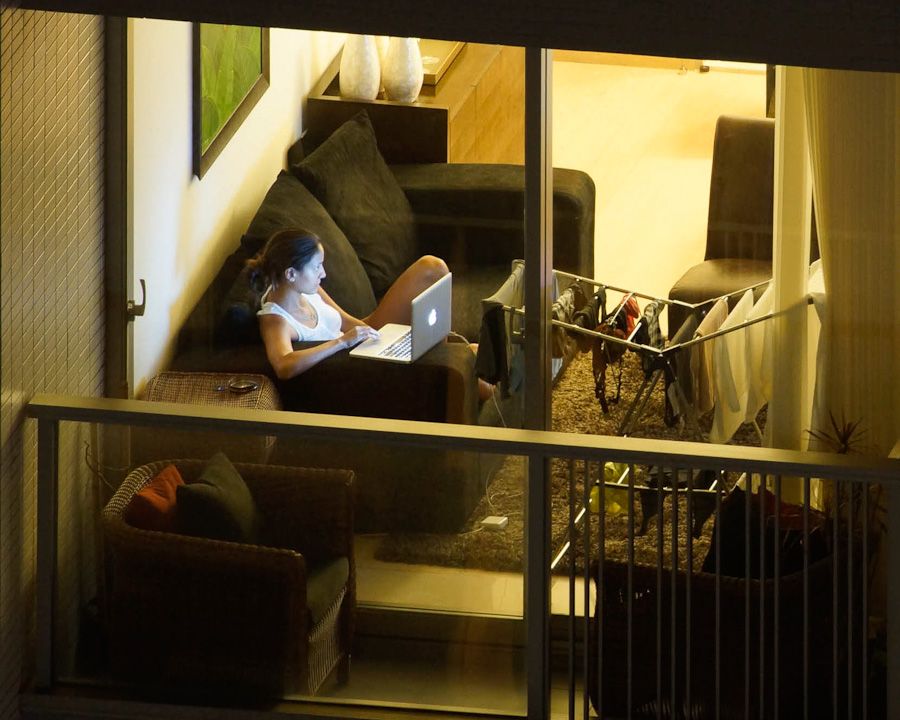
However, the history of bare windows in Sweden is not solely steeped in principles; it also carries practical motives. In ancient times, fishing was a primary occupation, and men often returned home late in the evening, after dusk had settled. To ease their journey and make their arrival safer, women would place candles on windowsills, creating beacons of light in the darkness for guidance and security. Given that wooden structures were prevalent in homes of that era and open flames posed fire hazards, the avoidance of curtains also held pragmatic advantages.
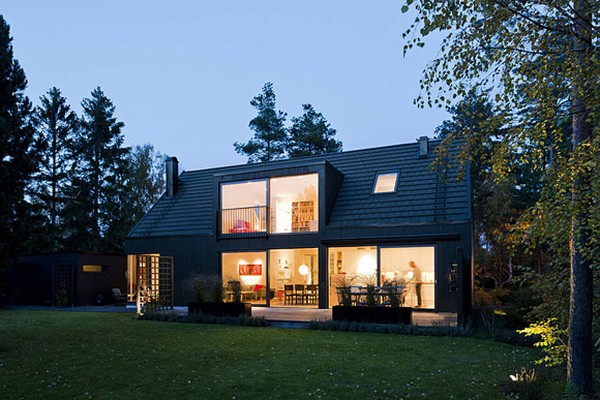
Today, these traditions seamlessly blend with modern realities. Climatic conditions play a pivotal role, especially during Sweden’s dark winters, where daylight hours are scarce and each ray of sunshine is treasured. Open windows maximize natural light penetration, illuminating interiors and fostering a sense of warmth and coziness. With advancements in technology, traditional candles have been replaced by electric lighting, enhancing safety and convenience while preserving the essence of the tradition.
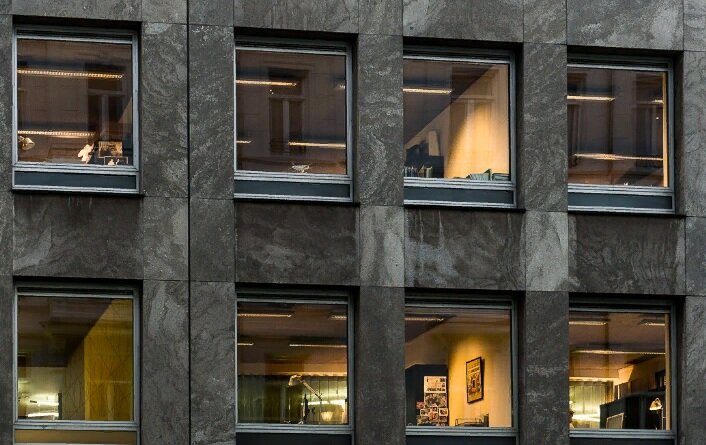
In essence, the Swedish tradition of leaving windows uncovered transcends mere cultural phenomenon; it is a product of centuries of evolution, melding historical legacies with practical considerations to shape a unique way of life. This tradition has become an integral part of Swedish identity, continuing to thrive and evolve in the contemporary world, serving as a reminder of the nation’s rich heritage and distinctive values.